There is a world of difference between the pasta you grab in five minutes from a plastic bag in the supermarket, and the pasta that has been allowed to dry slowly for days in the hills of Campania. That difference lies in one word that you should find on every good package: bronze-extruded. Anyone seriously looking to buy artisan pasta, should learn to recognise this word first — and in this blog, we will explain exactly why.
We will take you through the different shapes — from classic tube pasta to fine ribbons, from wholegrain to special single-grain varieties — so that you will not only know what you are buying, but also why it is so much tastier.
What is bronze-extruded pasta exactly?
Industrial pasta is pressed through Teflon dies. This is quick, cheap, and results in a smooth, almost plastic-like exterior — sauces simply slide off it. Trafilata al bronzo, bronze-extruded pasta, on the other hand, is pressed through old-fashioned bronze dies. The bronze lightly scrapes against the dough during pressing, giving the pasta a rough, porous surface.
The result: every ridge and hollow holds the sauce instead of letting it slide off. At Kelvini Italian Artisan, this pasta does not come out of an industrial drying tunnel in an hour, but we dry it slowly, at low temperature, sometimes for several days. That process protects the protein structure of the grain and ensures that characteristic, firm bite after cooking.
Tube pasta: why shape determines how you taste your sauce
One of the most frequently asked questions we receive is about tube pasta — also known as tubular pasta. These are the hollow, round shapes like rigatoni, paccheri or calamarata, which are distinct from long pasta (spaghetti, linguine) and fine ribbons (mafalde, tagliatelle).
The hollow nature of tube pasta is no coincidence. The open, round shape literally catches bits of sauce, vegetables or meat in the hollow, while the rough, bronze-extruded exterior holds the thinner sauce at the edge. That’s why tube pasta works so well with hearty, rich dishes: ragù, creamy sauces, or grilled vegetables that would otherwise slide off your plate.
Some shapes from this family that you can find at Kelvini:
- Calamarata — wide rings, named for their resemblance to squid rings, ideal with fish dishes and creamy sauces.
- Paccheri — large, cylindrical tubes from Campania, traditionally served with a rich tomato sauce or ragù.
- Pennette rigate and penne rigate — the ribbed classics, with grooves that hold extra sauce.
- Creste rigate — with a serrated "comb" on one side, adding just that little bit of extra texture.
- Ribbed pipette — small, curved tubes, perfect for pasta salads or light vegetable sauces.
And then the long and fine pasta shapes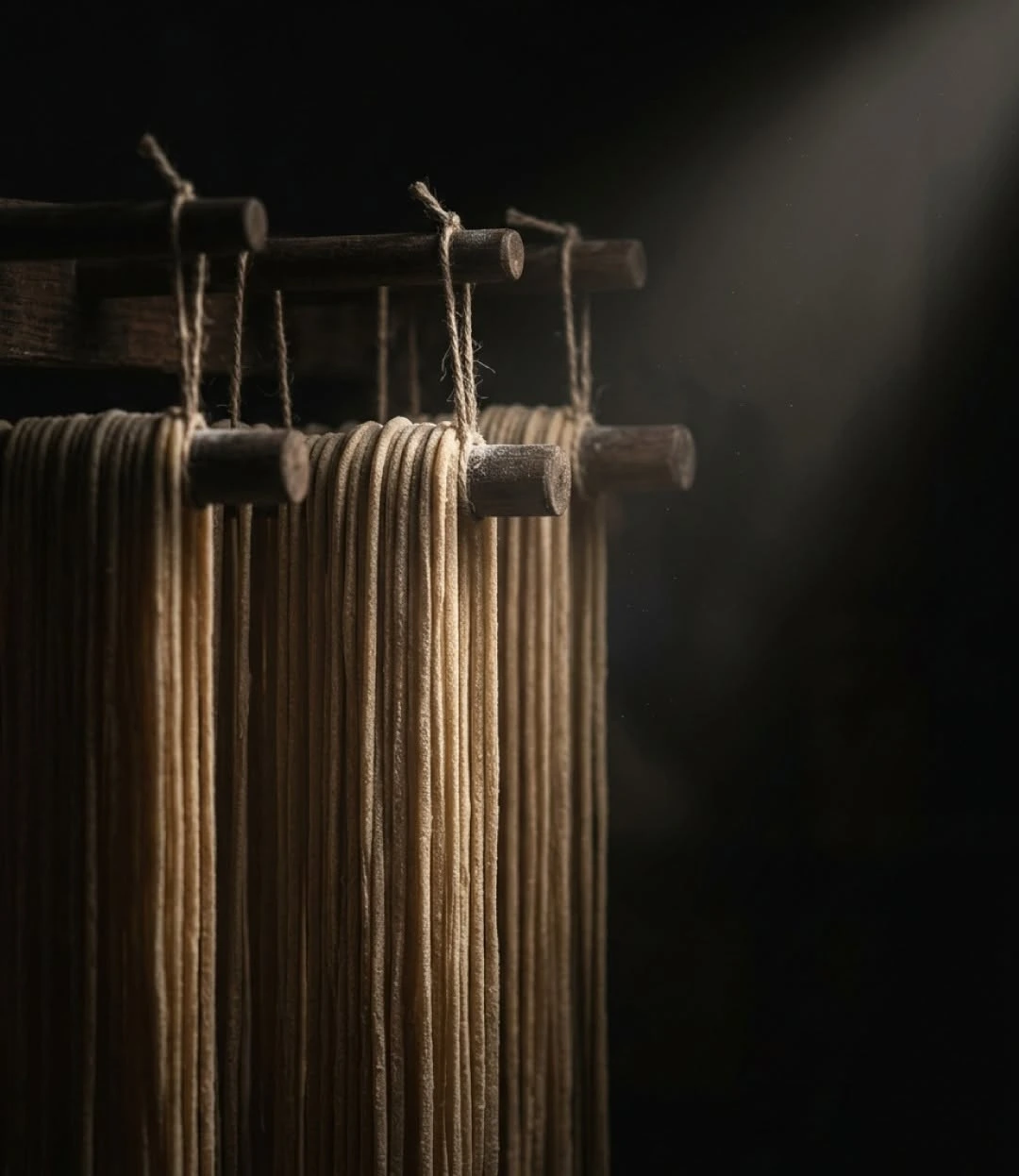
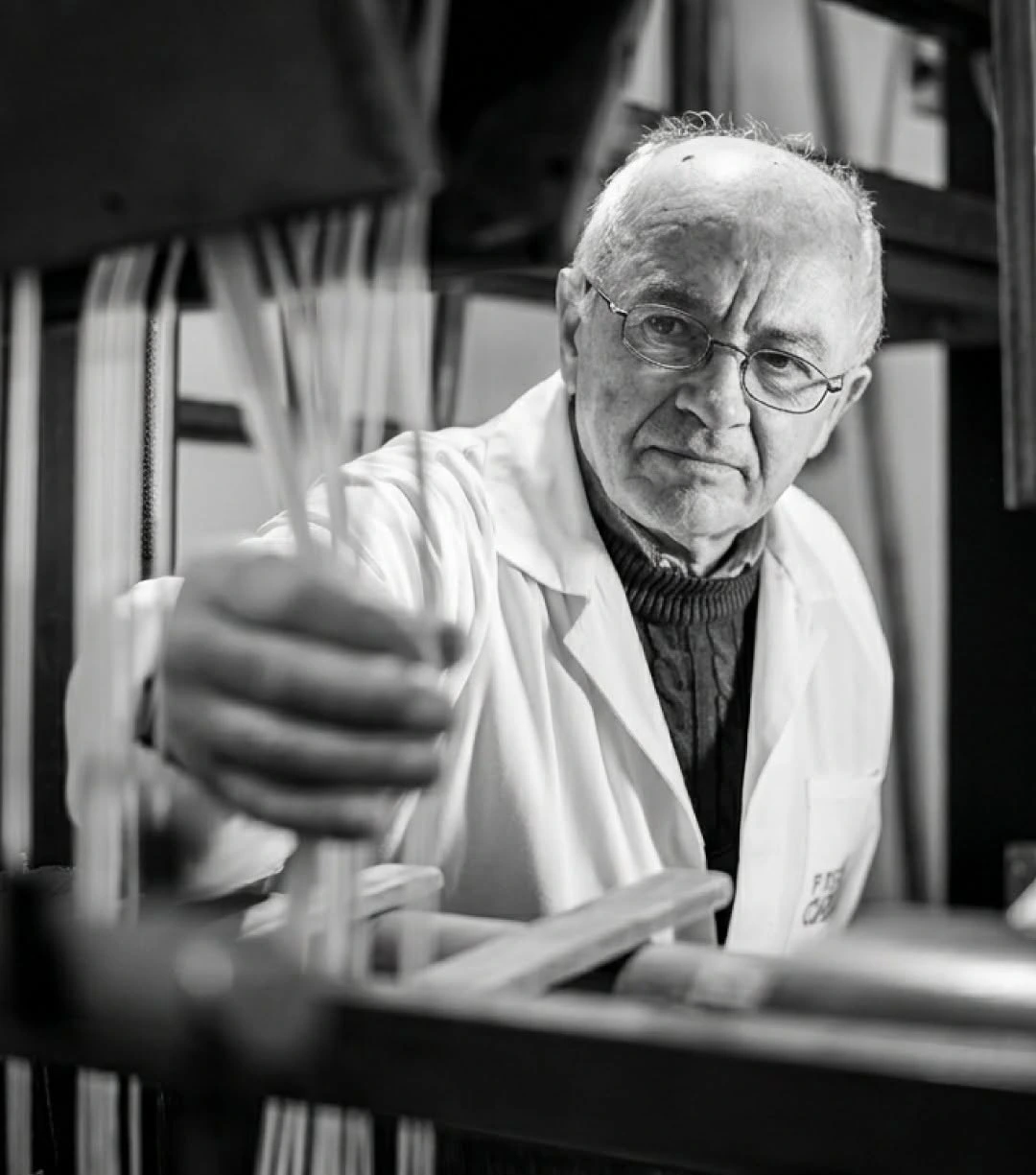
Not every sauce calls for tube pasta. For smooth, oily sauces or simple garlic-and-oil dishes, Italian cuisine often opts for long pasta such as linguine or bucatini. And for rich, creamy or meat-based sauces, a wide ribbon like mafalde — with its wavy edges — is a classic that belongs in every good pasta cupboard.
Shorter, playful shapes like fioretti and mezze maniche rigate also deserve a place: smaller in size, ideal for light summer sauces, salads or dishes with small pieces of vegetables and seafood.
Whole grain and monoculture: when the grain itself makes the difference
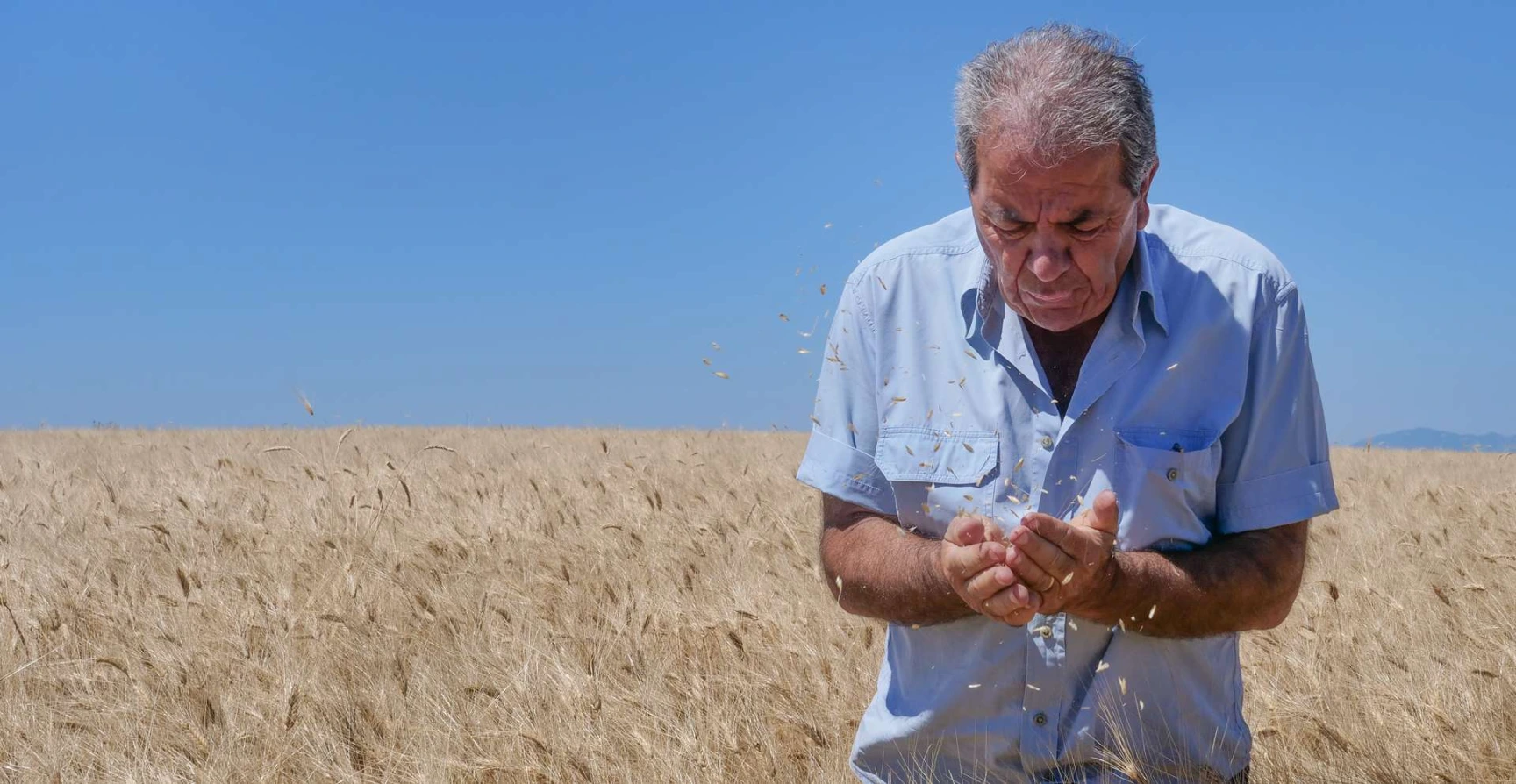
Bronze-extrusion and slow drying is one part of the story — the grain itself is the other. More and more people are consciously seeking wholemeal pasta (whole grain pasta), made from the entire wheat grain including the germ and bran. This results in a nutty flavour, more fibre, and a firmer bite — perfect for those looking for a heartier pasta dish.
Going a step further is pasta made from monoculture-wheat: a single, specific wheat variety, instead of a mix of different types of grain. Just as a grape variety has its own character in wine, a single wheat variety — sometimes even an old, "red" landrace wheat — gives a unique, recognisable flavour to the pasta. This is exactly the kind of authenticity that small pastificio's like Caccese distinguish themselves from large, mixed industrial production lines.
Why Pastificio Caccese?
At Kelvini, we exclusively collaborate with small-scale, family-run pasta makers from Campania — including Pastificio Caccese, officially listed in the top 100 best Italian pasta companies according to the prestigious Gambero Rosso guide, the Italian equivalent of the Michelin guide. Their wheat is entirely grown in-house on the sun-drenched fields of Campania (km 0), kneaded with pure spring water, and completely free from pesticides and glyphosate.
Quick overview: bronze-extruded pasta in numbers
| Feature | Industrial pasta | Bronze-extrudedpasta (Kelvini) |
|---|---|---|
| Mould | Teflon (smooth) | Bronze (rough surface)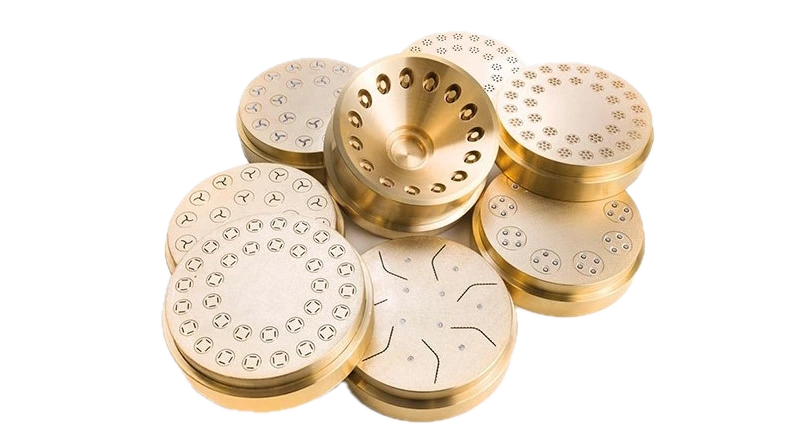 |
| Drying time | A few hours, high temperature | Several days, low temperature |
| Sauce adherence | Limited, smooth surface | Excellent, porous surface |
| Grain origin | Often mixed, international | Often monoculture, local (km 0) |
| Cooking time | Often 8-11 minutes | Often 11-17 minutes, firmer bite |
Frequently asked questions
What is the difference between bronze-extruded pasta and regular pasta? Bronze-extruded pasta is pressed through bronze dies that create a rough, porous surface where sauce adheres better. Regular industrial pasta uses smooth Teflon dies, resulting in a tighter but less sauce-friendly surface.
What is tube pasta or tubular pasta? Tube pasta — also written as tubular pasta — is the collective term for hollow, round pasta shapes such as paccheri, calamarata, rigatoni, and penne. The hollow shape captures bits of sauce, making them particularly suitable for rich, hearty dishes.
Is whole grain (integral) pasta healthier than white pasta? Whole grain pasta is made from the entire grain kernel and therefore contains more fibre and a fuller flavour than pasta made from refined flour. Which variant is best depends on your personal preference for taste and texture.
Why does drying artisanal pasta take so long? Slow drying at low temperatures protects the protein structure in the grain. This results in a firmer, more "al dente" bite after cooking, and pasta that becomes mushy less quickly.
Where can I buy authentic, bronze-extruded Italian pasta online? At Kelvini, you will find a selected range of bronze-extruded, slowly dried pasta from small-scale Italian pasta makers such as Pastificio Caccese, delivered directly from Campania.
Discover the full range of bronze-extruded pasta at Kelvini — from tube pasta to whole grain variants, directly from small-scale Italian pasta makers.